
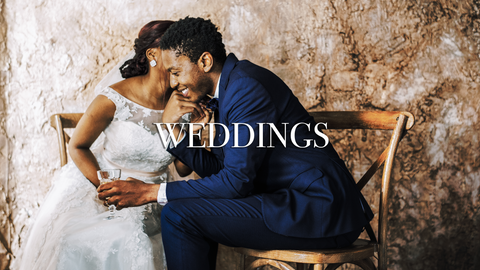
Getting into measurements always feels slightly more detailed than people expect in the beginning. A tailor usually checks shoulder slope, chest width, and arm length with repeated attention. Custom Wedding Suits Tailoring often starts from these exact numbers because small changes affect the final balance strongly. People sometimes stand too stiffly during fitting sessions, which slightly shifts real posture readings. That leads to minor corrections later during trial fittings and adjustment rounds at shop level.
Fabric Handling Real Choices
Fabric selection never feels like a quick decision when people actually touch different samples together. Weight, texture, and airflow change how the suit behaves during long ceremonies or formal events. A bespoke formal wear consultation usually helps people compare fabric behavior in real light conditions instead of catalog assumptions. Some fabrics feel soft but become heavy after long wear hours. Others stay light but lose shape faster during repeated sitting and standing movements.
Style Direction Decisions
Style decisions usually come slowly through small comparisons rather than one fixed moment of clarity. Lapel size, jacket length, and button placement all shift overall appearance in noticeable ways. People working on custom wedding suits Tailors often revisit these choices after first mirror checks. That part feels slightly repetitive but helps avoid regret later during actual event wear. Small adjustments during consultation shape the final look more than initial sketches do.
Stitching Work Process
The stitching process feels technical but still depends heavily on human attention at every stage. Tailors check seam alignment and thread issues before moving on to the next phase of construction. The bespoke formal wear consultation now includes repeated internal structural checks so the suit holds its shape during movement. Machine sewing helps with energy, while finishing by hand improves the smoothness of the area around vital joints. Minor uneven stitches get corrected early before the pressing stage begins at the workshop finishing level.
Fitting Adjustment Rounds
Fitting rounds usually reveal things that were not obvious during measurement or cutting stages earlier. Sleeves may feel slightly long, or the waist may sit tighter than expected initially. Customers who choose custom wedding dresses tailored often experience these small improvements in a few visits. Tailors carefully control shoulder strike, sleeve breaks, and pant lengths during each session. These corrections improve movement comfort without changing the original style direction decided earlier in the consultation stage.
Color Tone Selection
Color tone selection often depends on lighting, venue, and personal preference combined together loosely. Dark shades remain common for formal events because they reduce visual distraction in photographs. A bespoke formal wear consultation helps compare shades under both indoor and outdoor lighting conditions. Some clients try subtle texture patterns but still prefer stable base colors for safety. The final decision usually comes after seeing fabric under natural daylight instead of showroom lighting.
Event Wear Experience
An event wear experience usually feels noticeably different when a suit fits the body shape properly without restriction. Movement during sitting, walking, and greeting feels more natural compared to standard ready-made clothing. Custom Wedding Suits Tailored suits often improve confidence because the suit follows body motion instead of resisting it. Small earlier corrections become visible during long event hours without discomfort buildup. Fabric breathability and lining comfort play important roles during extended wearing situations overall.
Final Preparation Checks
Final preparation checks happen close to the delivery stage, where minor polishing and pressing are completed. Buttons, lining edges, and pocket alignment receive a very final inspection before the suit is delivered. A bespoke formal wear consultation sometimes includes final advice on wearing order and maintenance handling after event use. Clients usually test the full outfit once again before the final approval step. This stage ensures small issues do not appear during the actual wedding or formal gathering.
Conclusion
Suit preparation always depends on small adjustments that build final appearance step by step over time. Careful consultation and repeated fittings create better alignment between body and fabric structure naturally. Trutailorcocustomsuits.com provides reference points for understanding how tailoring steps connect from start to finish clearly. The process feels flexible and depends on personal comfort choices rather than fixed rules. Taking time during selection and fitting usually improves overall wearing satisfaction during real events. Professional guidance helps balance style, comfort, and durability in practical daily use situations effectively. Final results always reflect attention given during each stage of the tailoring work process overall.
