
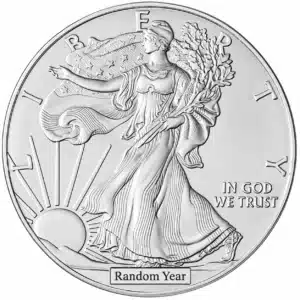
American Silver Eagles are among the best-known U.S. silver coins, but buyers can encounter them in several forms. Standard bullion coins, proofs, special issues, and third-party graded coins may all contain the same basic one-ounce silver content while trading at very different premiums.
People planning to buy American Silver Eagles should therefore decide whether they want straightforward bullion exposure, a collectible piece, or a certified coin with a specific grade. That distinction can influence price, resale audience, storage, and whether a premium is tied mainly to silver or to numismatic features.
Understand the Basic Bullion Coin
The American Silver Eagle has been issued since 1986 and contains one troy ounce of 99.9% silver. It carries a one-dollar face value, although its market price is determined mainly by silver value, premiums, and demand rather than the legal-tender denomination.
Standard bullion examples are widely recognized and may be sold individually, in tubes, or in larger quantities. Buyers should compare dealer premiums because the retail price can move independently from spot silver during periods of strong demand.
Grading Adds Another Layer
Third-party grading services examine coins and assign a numerical grade based on condition. Coins are then encapsulated in holders that identify the service, grade, and certification details.
An american silver eagle ngc ms69 is a Mint State coin graded 69 on the 70-point scale by NGC. That grade indicates a very high-quality example with minor imperfections, but the premium can vary by year, label, demand, and the broader collector market. Buyers should also note that an MS69 designation describes condition, not rarity by itself; some dates may be common in that grade while others attract stronger collector interest.
Bullion and Graded Coins Serve Different Buyers
A bullion-focused buyer may care primarily about silver content, recognition, and the premium over spot. In that case, paying extra for a high numerical grade may not fit the original purpose of the purchase.
A collector may value certification, condition, date, or set-building potential. Neither approach is inherently better, but mixing the two objectives can make it harder to judge whether the premium being paid is reasonable.
Storage and Handling Are Different
Raw bullion coins are commonly stored in tubes or protective capsules, while graded coins are sealed in individual holders. The slabs can protect the certified condition but also require more storage space per ounce of silver. Graded holders should be kept dry, protected from scratches, and stored so the certification label remains readable for future verification.
Buyers should keep certification numbers and purchase records when graded coins are involved. For standard bullion, basic invoices and product records are still useful, particularly when a larger holding is accumulated over time.
Retirement-Account Buyers Need Extra Care
U.S. law provides exceptions that allow certain American Eagle coins and qualifying bullion to be held in eligible retirement accounts. However, retirement-account rules involve custody and other requirements that are separate from ordinary direct purchases.
Graded and collectible versions can introduce additional questions, so IRA buyers should verify the exact product with the custodian and a qualified tax professional. A coin being an American Silver Eagle does not mean every presentation or transaction should be treated identically.
Check Certification Rather Than Relying on the Label
When buying a graded coin, the holder should identify the grading service and include a certification number that can be checked through the service’s verification tools. This helps confirm that the slab and grade correspond to the recorded coin.
Certification does not guarantee future price appreciation. It provides an independent opinion of condition, while market value can still change with silver prices, collector demand, population reports, and dealer spreads.
Year and Finish Can Change the Premium
Not every Silver Eagle of the same weight trades at the same price. Certain dates, proof finishes, burnished issues, special labels, or unusually strong collector demand can push premiums well above those of standard bullion coins.
Buyers should compare like with like. A graded collector coin should not be judged only against the cheapest bullion Eagle, because the two products are serving different markets even though both contain silver.
Conclusion
American Silver Eagles can function as straightforward bullion or as collectible, graded coins depending on the specific product. The silver content may be similar, but certification, condition, year, and market demand can create very different premiums.
Buyers should compare the purpose of the purchase with the total price being paid. Understanding the difference between metal value and collectible value can make it easier to select the appropriate Silver Eagle format without assuming that a higher grade automatically means a better investment.
