
Old houses have stories in their walls. They also have thin plaster, soft brick, and wood that has seen a hundred winters. When heavy rain or a storm surge pushes water into a historic home in Dundalk, the damage is not just costly. Some of it cannot be replaced.
Careful planning and fast action protect both value and character. Small choices matter. A trusted provider of Water Damage Restoration Dundalk MD knows how to dry a home without ruining what makes it special. Below are the key steps to protect an older property.
Aging Materials Absorb More Water
Historic homes were built with different materials. Plaster over wood strips, soft clay brick, and old growth lumber all soak up moisture. Time makes them even thirstier. Once wet, they dry slowly. Many have no modern barrier to stop water from creeping upward through basement walls.
When flooding hits, a Residential Water Restoration Dundalk MD team should know these quirks. Using harsh methods can crack plaster or lift old finishes. Gentle, steady drying works better here. Ask whether the crew has handled older homes before. Experience shows in the details.
Preparing Before the Storm Arrives
Walk the outside of your home before storm season. Clear gutters, extend downspouts, and check that the ground slopes away from the foundation. Gutters clog faster than people expect. Small steps like these cut the amount of water that reaches old walls. They cost little and take an afternoon.
Inside, move rugs, books, and antiques to higher floors. Photograph each room so records exist. Keep a list of phone numbers handy, including your insurer and a restoration company. Sandbags can help at doors and low windows. If the area faces a surge warning, follow local advice and leave when told.
First Steps After Surge Flooding
Safety comes first. Do not enter if water is deep or power is on. Floodwater from a surge can carry salt, sewage, and debris. Tidal water is rarely clean. Wait for the all-clear, then wear boots and gloves before stepping inside.
Once it is safe, take photos and videos from every angle. Shut off utilities if you can. Then call your insurer and a restoration team. It is tempting to start cleaning right away. Resist that. Do not throw away damaged items yet. Some may be saved, and adjusters often need to see them.
Gentle Drying for Delicate Finishes
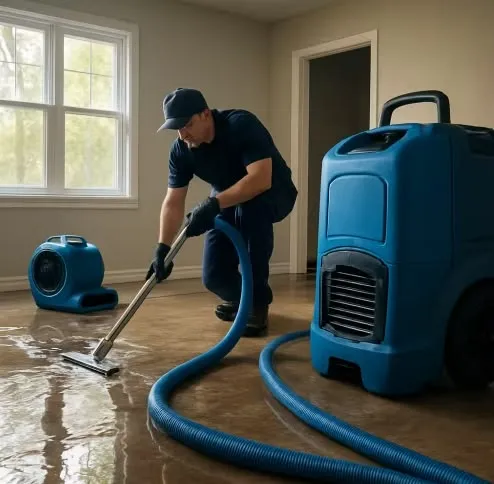
Fast, hot drying can warp old wood and split painted trim. Skilled crews control airflow and heat to dry things evenly. They check reading often and shift machines as needed. Slow and steady is the rule. Rushing is the enemy. It protects joints, veneers, and carved details.
Humidity control matters just as much. Dehumidifiers pull water from the air so walls and floors can release theirs. In older homes, leaving a space damp invites mold within days. Dry air is a quiet friend to every old beam and board.
Saving Original Floors and Plaster
Original hardwood is hard to replace. Every plank has a past. If boards are wet, crews may use special drying mats instead of pulling them up. Sometimes boards cup or lift anyway. A careful pro will explain what can be sanded and refinished and what cannot.
Plaster behaves differently from modern drywall. It can hold water, then crumble when it dries too fast. Spot repairs often match the original better than a full tear-out. Matching old textures takes patience, and patience is worth paying for.
Records, Permits, and Preservation Rules
Some historic homes fall under local preservation rules. Repairs may need approval, and materials may need to match the original. Check with your local office before major work begins. Do not skip this step. A quick call can prevent costly mistake and delays.
Keep every receipt, photo and report. They help with insurance claims and future sales. Buyers of older homes like proof that damage was handled the right way. Clear records also show you took good care of a place that carries real history.
Conclusion
Old homes deserve extra care when heavy rain and storm surge arrive. Prepare early, stay safe, and dry slowly. Choose people who respect the original materials. Preservation is a team effort, after all. For help, visit movefastrestoration.com and ask how the team treats older properties.
Acting quickly and gently is the best path. Whether you need Water Damage Restoration Dundalk MD or Residential Water Restoration Dundalk MD, pick a team that listens. A well-protected historic home keeps its value, its charm, and its place in the community.
