
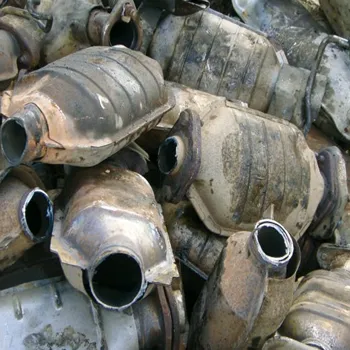
The value of a used converter is rarely determined by its appearance alone. Scrap catalytic converter recycling involves identifying the unit, estimating or measuring its recoverable material, and accounting for the costs involved in collecting and processing it. Local buyers may therefore quote different amounts for converters that seem similar. Differences can come from converter type, precious-metal content, market conditions, processing arrangements, transportation, and operating expenses. Understanding these factors gives sellers a better starting point when evaluating a recycling offer.
Identification Comes First
A converter’s identification can strongly influence the price a buyer is willing to offer. Look for stamped codes, engraved numbers, manufacturer markings, and other information on the housing. Take clear photographs and provide the vehicle application if known. The same vehicle brand can use several converter types, so a general description may not be enough. Accurate identification allows a buyer to match the unit with relevant recycling data and reduces the chance of receiving an estimate based on the wrong converter category.
How Local Buyers Estimate Value
When scrap catalytic converter buyers calculate a quotation, they may use converter-specific information, expected metal content, current market prices, and their own processing costs. Some buyers can estimate value from established data, while others may rely more heavily on testing or downstream processing. Ask which method is being used and whether the amount is firm. A clear explanation helps you understand why the figure was chosen and whether the final payment could change after the converter is inspected or processed.
Precious Metal Markets Matter
Platinum, palladium, and rhodium are important to catalytic converter recycling economics, and their market values can move independently. A quotation made when prices are high may not remain available indefinitely. However, the market value of the metals is only one part of a recycling calculation. Buyers must also account for recovery rates, processing expenses, transportation, labor, and other costs. Sellers should therefore ask when the quote was calculated and whether the quoted amount already reflects these practical expenses.
Processing Costs Affect Offers
Local buyers may operate as collectors, processors, or intermediaries, and each model has different costs. A buyer that sends converters to another facility may need to account for transportation and downstream processing charges. A processor handling more stages internally may have a different cost structure. Neither arrangement automatically means a better or worse offer. Sellers should ask where the converter goes after purchase and whether the quoted price includes expected downstream expenses. This makes price differences easier to understand.
Compare Offers On Equal Terms
When requesting several quotations, give each buyer the same converter number, photographs, condition details, and vehicle information. Ask the same questions about inspection, testing, deductions, payment timing, and possible price changes. Comparing offers on equal terms prevents a misleading situation where one buyer quotes a firm purchase price while another provides only a preliminary estimate. The highest number is useful only when the conditions behind it are equally clear. Written quotations can make these comparisons much easier.
Keep Records Of Market Changes
Save the date and details of each quotation so you can see how prices change over time. Keep photographs, converter identification, buyer messages, receipts, and final payment records together. If you regularly sell converters, this history can reveal useful patterns between market conditions and actual recycling payouts. It can also help you recognize whether a buyer consistently explains adjustments. Recordkeeping is particularly helpful when quotations are made weeks apart, because a changed market can legitimately produce a different price for similar material.
Conclusion
Local catalytic converter prices come from a combination of identification, recoverable metal content, market conditions, processing expenses, and the buyer’s operating model. Sellers should compare quotations using identical information and ask whether each figure is firm or provisional. Looking at the complete transaction provides a more realistic measure than chasing a single high number. For additional information about recycling and refining practices, gndrefiners.com can be another resource to review while comparing scrap catalytic converter buyers.
