
Picking a trading app sounds quick, but it rarely stays a one-time decision for most users. People install one, try it for a few days, then compare it with something else quietly. That switching pattern keeps happening until something feels stable enough.
Referring to an object as the best trading app is often a secondary consideration, which comes after using the object repeatedly and being minorly annoyed by alternatives. First impressions are important, and they do not necessarily prove to be accurate when the activity is in routine mode.
Small layout details that change how fast actions happen
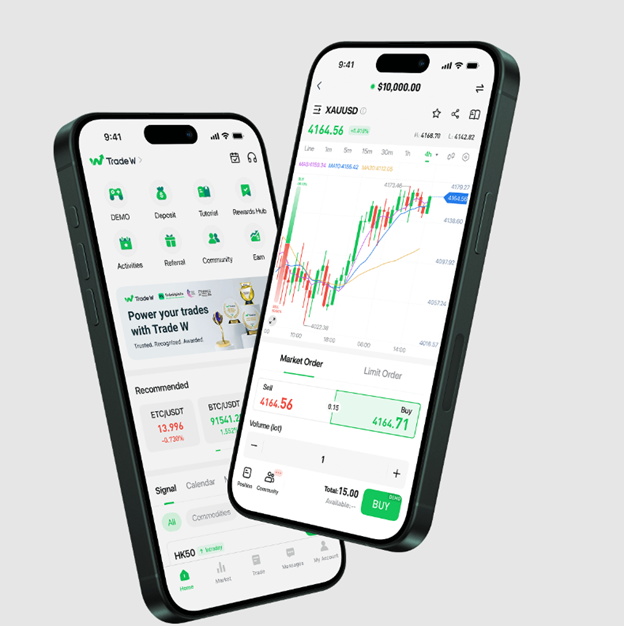
A trading app with a clean layout helps users place orders without extra steps or confusion. When buttons are easy to find, actions feel faster even during active market hours. Cluttered screens slow things down more than expected.
The best trading app often feels simple rather than overloaded with features, even if it still offers advanced tools in the background. That balance makes daily use smoother.
Performance differences that show only under pressure
Most trading app options work fine when markets are calm and activity is low. The real test appears when prices move quickly and many users are active at the same time. Delays become noticeable in those moments.
A good trading app handles these situations without lag, keeping charts and orders responsive. That kind of performance is not always visible during initial testing.
Cost factors that people notice after repeated use
Trading via a trading app carries spreads, commissions, or any other minor fees, which might initially not seem significant at all. In the long run, these expenses begin to accumulate as the trading is frequent.
The best trading app is not always the one with the lowest visible fee but the one with clear and consistent pricing. Hidden costs tend to create confusion later.
Security settings that should not be ignored casually
Any trading application contains a degree of security, yet users do not always bother to establish all the possible security measures. Such functions as two-factor authentication require just several minutes and provide an additional level of security.
A best trading app is one that has excellent security features yet still requires users to properly activate them. Leaving settings incomplete can create unnecessary risks.
Device flexibility and how users adapt their habits
A trading app on mobile allows quick access anytime, which fits into daily routines without much effort. People check prices, place trades, and monitor positions while doing other tasks. This convenience becomes part of regular behavior.
The best trading app usually works well on both mobile and desktop, giving users flexibility based on their needs. Switching between devices often becomes a normal habit.
Conclusion
Choosing a trading app takes more time than expected because real performance becomes clear only after repeated use in different situations. Many users try multiple options before deciding what feels consistent enough for daily activity. On tradewill.com, readers can explore how features of a best trading app connect with real usage instead of just initial impressions. Considering layout, performance, costs, and security would help to achieve a more stable configuration. Test the options and apply them practically to your life and expectations and then proceed with the decision that is suitable to your life and expectations.
