
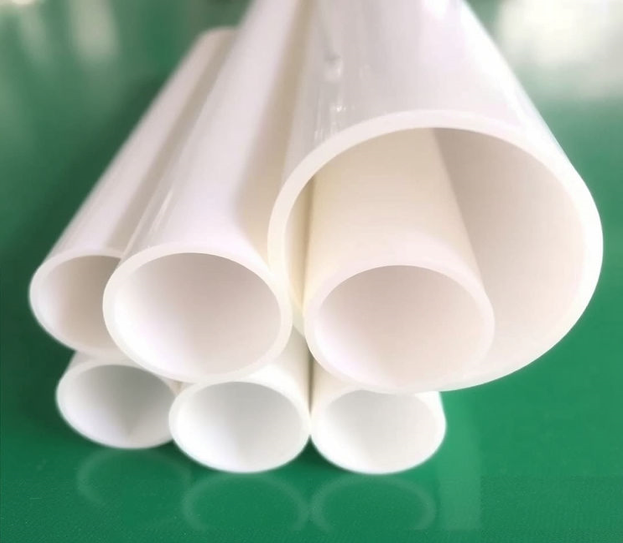
In high-temperature industrial environments, selecting the right material is critical for performance, safety, and long-term reliability. Two commonly used ceramic materials in such conditions are alumina tubes and silicon carbide tubes. Both materials offer strong resistance to heat and harsh environments, but they differ in their properties and ideal use cases.
Understanding these differences helps engineers and buyers choose the most suitable option for their specific application.
Overview of Alumina Tube
An alumina tube is made from aluminum oxide and is widely used in industries that require electrical insulation and thermal stability. It is one of the most versatile ceramic materials due to its balance of performance and cost.
Alumina tubes are known for their ability to handle high temperatures while maintaining structural integrity. They also provide excellent electrical insulation, which makes them suitable for use in electronic and thermal systems.
Overview of Silicon Carbide Tube
A silicon carbide tube is made from a compound of silicon and carbon. It is designed for more demanding environments where higher thermal conductivity and resistance to thermal shock are required.
Silicon carbide tubes are often used in extreme conditions where rapid temperature changes occur. They are also known for their strength and ability to perform under heavy mechanical stress.
Temperature Performance and Stability
Both the alumina tube and the silicon carbide tube perform well at high temperatures, but there are differences in how they handle heat.
Alumina tubes are stable at high temperatures and are widely used in furnaces and heating systems. However, they are more sensitive to rapid temperature changes.
Silicon carbide tubes, on the other hand, offer better resistance to thermal shock. This means they can handle quick heating and cooling cycles without cracking, making them ideal for dynamic thermal environments.
Mechanical Strength and Durability
Alumina tubes provide good mechanical strength and are suitable for many industrial applications. They perform well under steady conditions and are resistant to wear.
Silicon carbide tubes offer higher strength and hardness. They are better suited for applications where materials are exposed to heavy loads or abrasive conditions. This makes them a preferred choice in more demanding industrial settings.
Thermal Conductivity
One of the key differences between the two materials is thermal conductivity. Alumina has moderate thermal conductivity, which is useful in applications where controlled heat flow is needed.
Silicon carbide has much higher thermal conductivity. This allows it to transfer heat more efficiently, making it suitable for systems where rapid heat dissipation is important.
Chemical Resistance
Both materials are resistant to chemical corrosion, but their performance may vary depending on the environment. Alumina tubes are highly resistant to many chemicals and are commonly used in chemical processing systems.
Silicon carbide tubes also offer strong chemical resistance, especially in harsh environments. They perform well in applications involving aggressive chemicals and high temperatures.
Common Applications
An alumina tube is widely used in furnace systems, thermocouple protection, and electrical insulation. It is also used in laboratory equipment and electronic components.
Silicon carbide tubes are often used in high-temperature kilns, heat exchangers, and industrial systems that require fast heat transfer and resistance to thermal shock.
How to Choose the Right Material
Choosing between an alumina tube and a silicon carbide tube depends on the specific needs of the application. If the system requires strong electrical insulation, stable temperature conditions, and cost efficiency, an alumina tube is a reliable choice.
If the application involves rapid temperature changes, higher mechanical stress, or the need for efficient heat transfer, a silicon carbide tube is the better option. Engineers should consider operating conditions, temperature range, and mechanical requirements before making a decision.
Conclusion
Both the alumina tube and the silicon carbide tube are essential materials for high-temperature industrial applications. While they share some similar properties, their differences in thermal conductivity, strength, and resistance to thermal shock make them suitable for different environments.
Understanding these differences allows industrial buyers and engineers to select the right material for improved performance and long-term reliability.
