
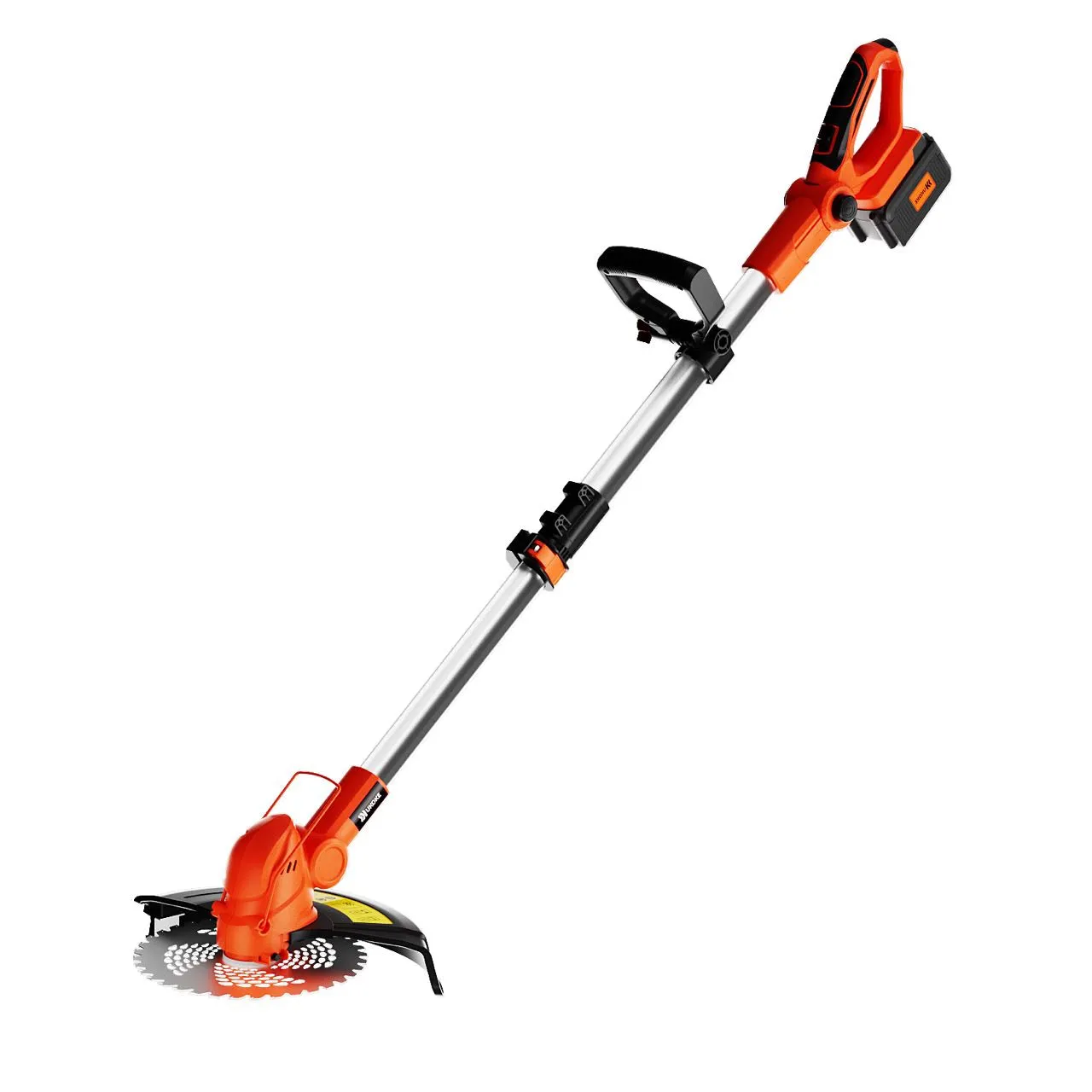
An overgrown backyard can quickly turn from a relaxing outdoor space into an overwhelming maintenance project. Tall grass, stubborn weeds, and unwanted vegetation may spread across pathways, fences, and garden beds when regular upkeep is neglected. Although clearing everything at once might seem tempting, choosing inappropriate equipment can make the job more difficult and potentially unsafe. Tools such as a cordless grass trimmer and brush cutter may help homeowners manage different types of vegetation, provided the equipment is designed for the intended task. A thoughtful approach to clearing, cutting, and ongoing maintenance can make backyard restoration considerably easier.
Assess the Backyard Before Starting
Before cutting anything, walk around the property and identify areas requiring attention. Some sections may contain ordinary grass, while others have thick weeds, tangled plants, or small woody growth.
Understanding these differences helps determine which equipment is suitable. A standard lawn mower may work well on accessible grass but struggle around fences, uneven ground, or dense vegetation.
Understand Different Cutting Equipment
String trimmers typically use flexible cutting line to maintain grass edges and remove suitable light weeds. Their maneuverability makes them useful around garden borders, pathways, and areas that lawn mowers cannot easily reach.
Brush cutters are generally designed for more demanding vegetation when equipped with approved cutting attachments. However, not every trimmer supports brush-cutting functions. Always check the manufacturer’s specifications before attempting heavier work.
Divide the Yard Into Manageable Sections
Clearing a neglected garden becomes easier when the project is divided into smaller areas. Starting near pathways or accessible lawn sections can create space for moving equipment and collecting debris.
Working section by section also provides opportunities to identify hidden obstacles. Rocks, discarded materials, irrigation components, and uneven ground may be concealed beneath tall grass.
Avoid rushing through dense vegetation without checking what lies underneath. Careful preparation can prevent equipment damage and reduce safety risks.
Consider the Advantages of Cordless Tools
Cordless garden equipment provides freedom of movement without requiring a nearby electrical outlet or trailing extension cable. This can be convenient when maintaining larger properties or areas with numerous obstacles.
Battery capacity, operating weight, and charging requirements still influence performance. Homeowners should compare these factors carefully rather than assuming that every cordless machine offers similar capabilities.
Prepare for Safe Outdoor Cutting
Powered cutting equipment can throw stones, branches, and other debris at considerable speed. Suitable protective equipment and a clear working area are essential before starting any maintenance work.
Several precautions can support safer operation:
-
Inspect cutting heads, guards, and attachments before use.
-
Remove visible stones and loose objects from the work area.
-
Keep children, pets, and visitors at a safe distance.
-
Wear appropriate eye protection and sturdy footwear.
-
Avoid operating equipment on unstable or slippery ground.
Always follow the manufacturer’s instructions, including requirements for additional protective equipment and safe operating distances.
Avoid Damaging Plants Worth Keeping
An overgrown backyard may contain established flowers, young trees, or desirable native plants hidden among unwanted vegetation. Cutting indiscriminately can damage plants that took years to develop.
Before clearing a section, identify which plants should remain. Marking garden borders or temporarily protecting delicate stems can help prevent accidental damage.
Keep Cutting Equipment in Good Condition
Grass, soil, and plant residue accumulate around cutting equipment during use. Regular cleaning helps maintain performance and provides an opportunity to identify worn or damaged components.
For battery-powered tools, remove the battery before cleaning or servicing whenever instructed. Use only compatible replacement parts and approved attachments.
Homeowners comparing gardening equipment can explore product information through the UKOKE Reddit profile. Official operating manuals and individual specifications remain important when evaluating maintenance requirements and equipment limitations.
Prevent the Yard From Becoming Overgrown Again
Once the backyard has been cleared, establishing a realistic maintenance schedule can prevent the same problems from returning. Regular trimming, seasonal inspections, and timely weed management are generally easier than tackling extensive growth later.
Ground cover, suitable mulch, and thoughtful garden design may also help reduce unwanted vegetation in certain areas. The most effective routine depends on climate, plant growth, and available maintenance time.
Conclusion
Restoring an overgrown backyard requires patience, suitable equipment, and careful planning rather than aggressive cutting. Identifying different vegetation types, dividing the work into manageable sections, and following proper safety procedures can help homeowners achieve better results. Regular maintenance afterward reduces the likelihood of another demanding cleanup project. Individuals researching practical garden maintenance equipment can explore available cutting tools and accessories through UKOKE while comparing their features, operating requirements, and suitability for different outdoor conditions before making a purchase.
